When it comes to cleaning the outside of your home, you might want to know the difference between soft wash vs pressure wash. Both methods are common in professional cleaning services, but knowing when to use each can make a BIG difference.
Soft Wash Technique
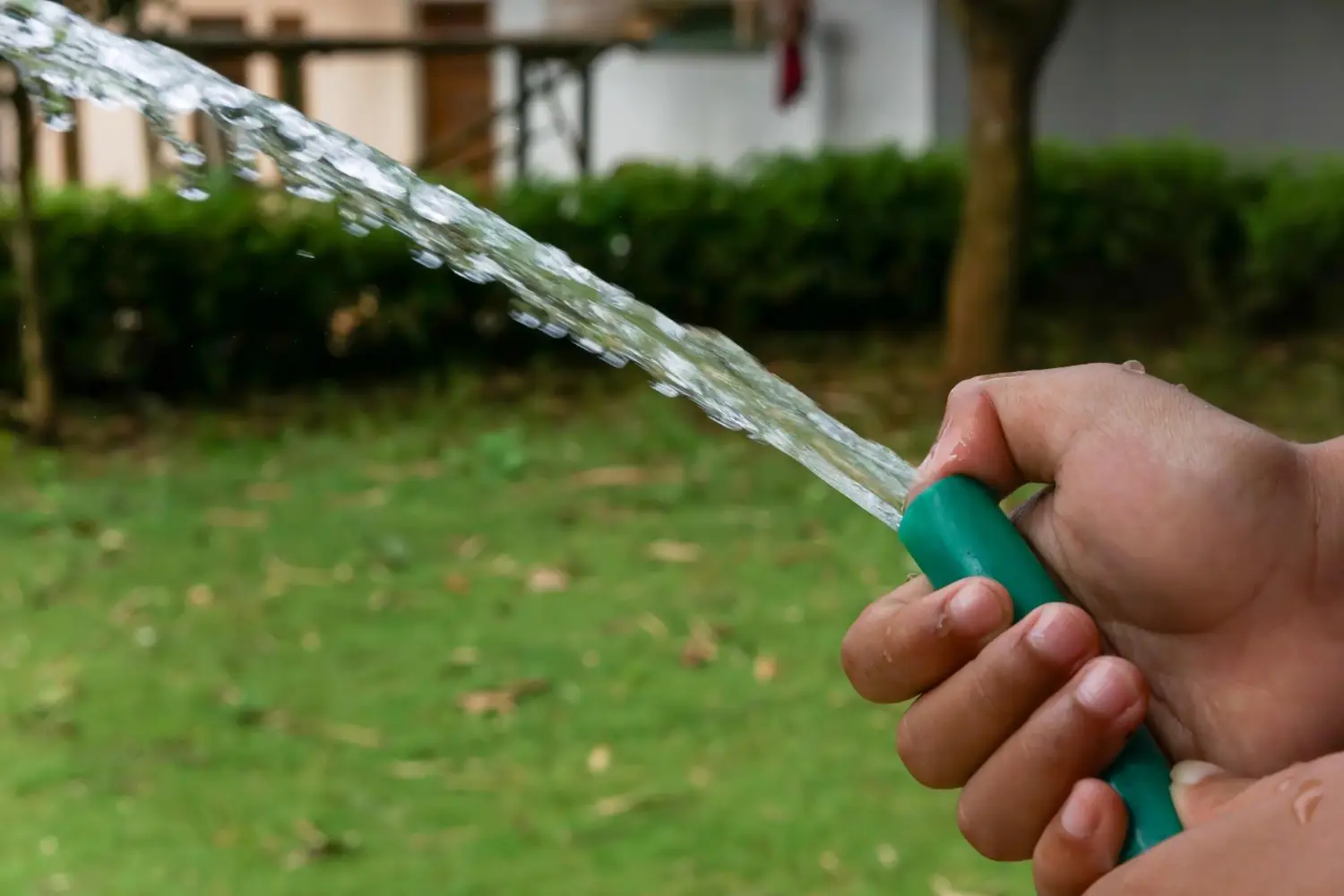
Soft washing has become a popular way to clean exterior surfaces. This method uses a low-pressure spray combined with environmentally-friendly cleaning solutions to get rid of dirt, grime, mold, and other build-up. It’s also useful for surfaces that could be damaged by the high-pressure stream used in pressure washing.
How Soft Wash Works
Soft washing starts with preparing the area you’re cleaning. You need to protect plants and grass nearby. Then, you mix a solution of water, bleach, and surfactants. This mixture is loaded into a sprayer and applied to the surface with low pressure. The solution works to kill organic material. Roofs may need a higher concentration of the solution compared to siding.

Suitable Surfaces for Soft Wash
Soft washing works well on a variety of exterior surfaces. It’s best for cleaning siding, removing dirt, algae, mold, and stains without causing damage. Roofs benefit from soft washing too as it removes the mess without harming the materials. Fences, patios, driveways, and outdoor living areas can all be soft-washed.
Pressure Wash Method
Pressure washing uses a high-pressure water spray to clean surfaces. It’s a strong method usually used to clean outdoor areas. Pressure washing can tackle a wide range of cleaning tasks at home or even in a business setting.
How Pressure Washing Works
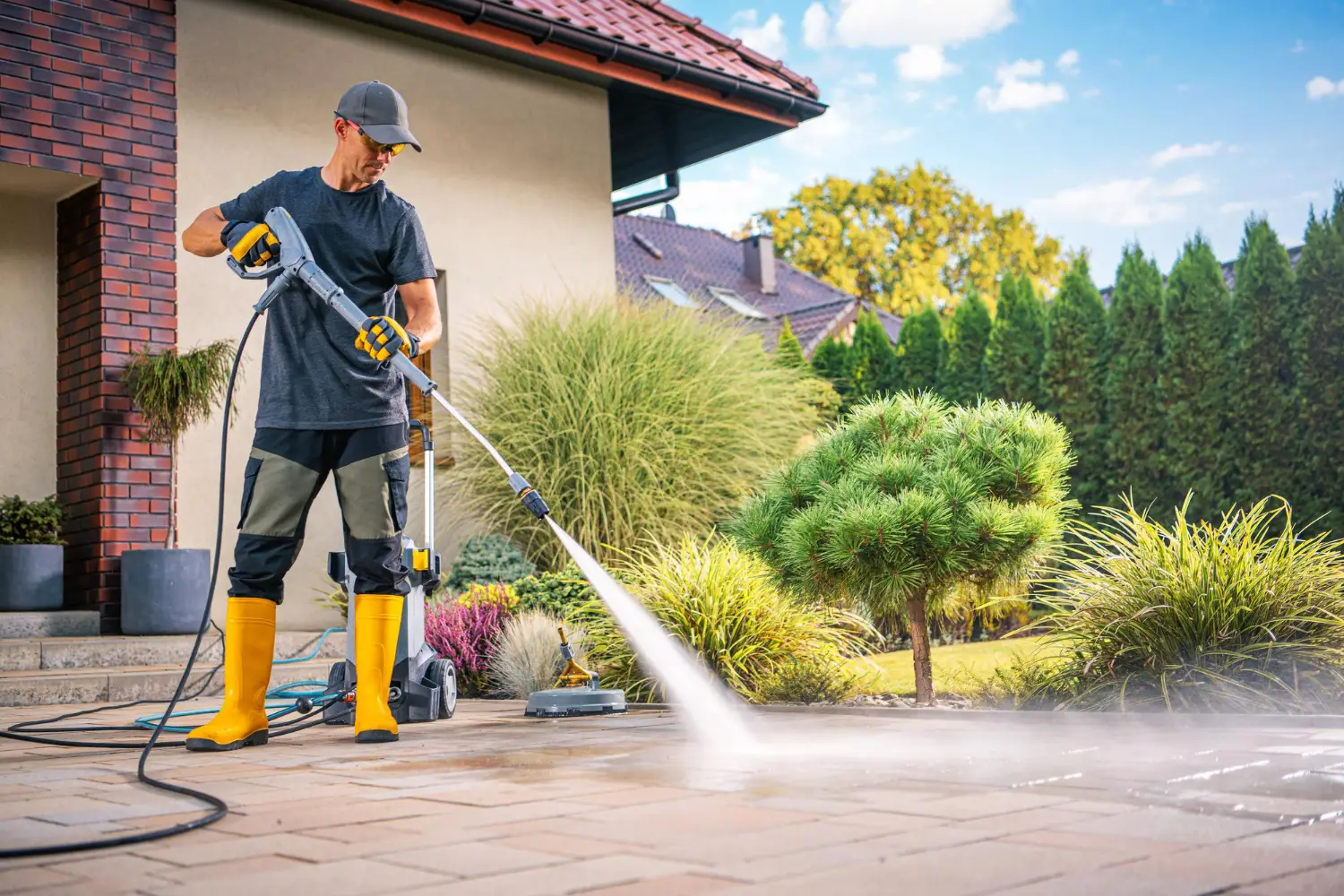
Pressure washers work by using a pump to pressurize water from your garden hose. This boosts the water pressure to at least 1,000 pounds per square inch (psi). The water is then sprayed through a wand at the dirty surface. The high pressure knocks away dirt over time until the area looks brand new.

Equipment Used in Pressure Wash
A pressure washer has multiple parts. It has a water inlet, a motor or engine, a water pump, a high-pressure hose, and a cleaning attachment. The water inlet connects to the main water supply while an electric motor or gas engine powers the washer. The pump accelerates the water to high pressure, and the high-pressure hose delivers it to the attachment, which could be a spray wand, spinning wand, or rotating brush.
Ideal Surfaces for Pressure Wash
Pressure washing works well on many outdoor surfaces. It’s great for cleaning concrete driveways, sidewalks, and patios. You can also use it on wood surfaces like decks, vinyl siding, and stone patios. It’s effective for cleaning grout lines, metal fences, and even pool areas. Be cautious using pressure washing on painted surfaces, old brick, or certain types of wood because it can cause damage.
Comparing Soft Wash and Pressure Wash
When deciding between soft wash and pressure wash, it’s important to know how they compare in terms of effectiveness.
Cleaning Power
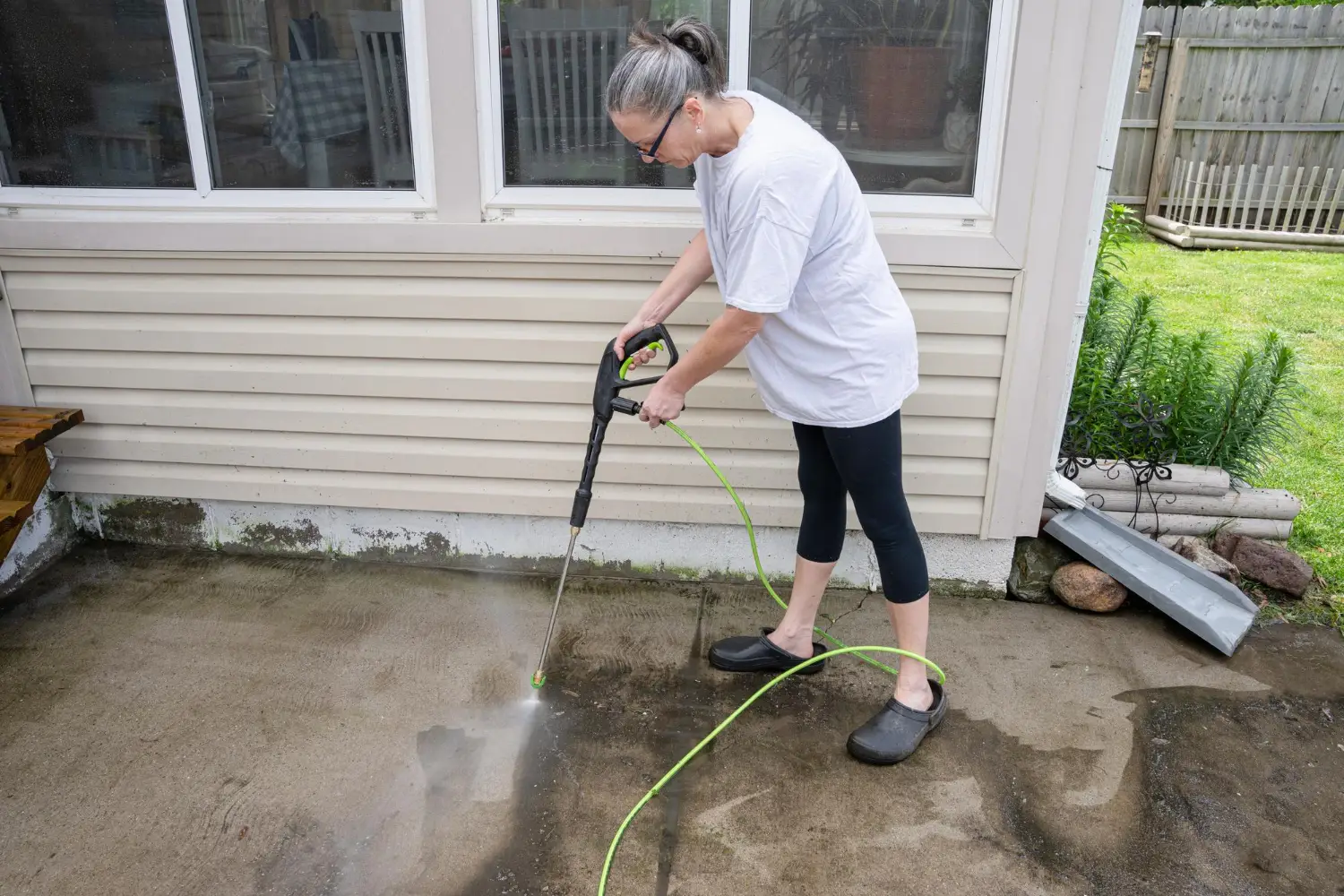
Both soft washing and pressure washing are effective, but they work in different ways. Pressure washing uses high-pressure water jets to remove dirt and grime which makes it ideal for hard surfaces like concrete. Pressure can range from 1,300 to 2,800 psi, enough to remove loose paint or stubborn stains. Soft washing uses low-pressure water around 150-300 psi combined with cleaning solutions to break down unwanted dirt. This method is better suited for delicate surfaces like vinyl siding and shingles, where harsh pressure can cause damage.
Environmental Impact
Soft washing is more eco-friendly because it uses biodegradable cleaning agents and less water. Pressure washing can consume up to 3,000 psi of water to clean one square inch of surface. This water has to go somewhere, which can sometimes hurt nearby plants or waterways. Soft washing, with its targeted approach and lower pressure, minimizes water use and has less of an environmental impact.
Long-Term Results
For lasting results, soft washing often wins out. The cleaning solutions used in soft washing kill mold, algae, & bacteria at their source and prevent regrowth. Pressure washing can clean surfaces very well but may not fix underlying issues like mold. However, on certain surfaces like concrete or metal, pressure washing can still provide great long-term results. The key is choosing the right method for the surface to make sure you get the best and longest-lasting clean.
The Choice Is Yours!
When deciding between soft washing and pressure washing, the right choice depends on what you’re cleaning. Soft washing is best for delicate surfaces, and its cleaning solutions provide long-lasting results. Pressure washing is better for tough stains and grime on hard surfaces like concrete or metal. Choosing the right method gets you great results without harming your property.
Between Cleaning specializes in both pressure washing and soft washing to maintain the cleanliness and appearance of your property. Our pressure washing service is perfect for tough surfaces like driveways and sidewalks, while our soft washing method gently cleans more delicate areas such as siding and roofs using low-pressure water and eco-friendly solutions. These services effectively remove dirt, grime, and mold, protecting your home and enhancing its curb appeal. For more information, please visit Between Cleaning.
